 Live Music Archive
 Librivox Free Audio
 Metropolitan Museum
 Cleveland Museum of Art
 Internet Arcade
 Console Living Room
 Books to Borrow
 Open Library
 TV News
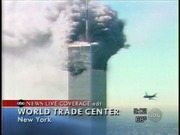 Understanding 9/11
H. Duthel: THE END IS NEAR
Item Preview
There Is No Preview Available For This Item
This item does not appear to have any files that can be experienced on Archive.org.
Please download files in this item to interact with them on your computer.
Show all files
Share or Embed This Item
- Topics
- H. Duthel, Author, Philosoph, History, University
- Collection
- opensource
- Language
- English
- Rights
- http://abendjournal.com/
THE END IS NEAR
« The End of the Western World we have known since 1945 »
Civilization as we know it is coming to an end soon. This is not the wacky proclamation of a doomsday cult, apocalypse bible prophecy sect, or conspiracy theory society. Rather, it is the scientific conclusion of the best-paid, most widely respected geologists, physicists, and investment bankers in the world. These are rational, professional, conservative individuals who are absolutely terrified by a phenomenon known as global "Peak Oil."
- Addeddate
- 2007-12-02 21:40:24
- Identifier
- H.DuthelTheEndIsNear
- Identifier-ark
- ark:/13960/t9862g01v
- Ocr
- ABBYY FineReader 8.0
- Ppi
- 167
comment
Reviews
Subject: Just one Word: GREAT
Preparing for peak oil can be relatively easy, since the preparation is 75% mental, 15% physical, and 10% fiscal. Don’t be flabbergasted at what to do. Quit asking should I buy solar? Should I buy an axe? Should I buy a gun? The answers are no, no, and no. If in fact, billions of people will die, look at all the stuff that will be left behind. So, don’t buy it, pick it up off the ground when others leave it behind.
This feeling of a need to buy stuff is in fact the very reason why we have this predicament. We over-consume. The preparation problem is not addressed by buying more stuff; it’s addressed by mentally and physically getting used to the idea of getting by on less stuff. The more you learn, the less you need to carry on your back. People spend 80% of their time worrying about things that don’t happen. So, stop worry and start acting.
To illustrate the absurdity of buying stuff, what would you buy? It’s impossible to know what to buy, because the event of peak oil is unknown in both time and scope. Preparing for peak oil is not like preparing for a hurricane, which we know, will hit sometime next week, so we will buy wood to board up the doors, some extra batteries, and maybe get out of town for awhile. Peak oil will not be some isolated calamity that you somehow survive and wake up the next morning and count your blessings. Preparing for peak oil is all about preparing yourself mentally and physically for a complete and permanent change in lifestyle. It is first realizing that there will be no one to come to your rescue the next morning - there will only be you and those around you, and the realization that the next morning will be more of the same, maybe worse than the day before. It’s the realization that you will have to learn to get by using less. So start now by getting over the idea you have to buy stuff and get into more debt.
So how do you prepare for a situation like peak oil, which is so indefinite in time and scope? Since we don’t know exactly what will happen and when, any preparation has to prepare you for any contingency at any time - now or 20 years from now. If you do the following, you and your family will be prepared for peak oil or any thing else life may throw at you. Those things are: (1) develop the right attitude; (2) stay healthy; (3) get out of debt; (4) decide where your going to live (build your shelter); (5) buy a good sleeping bag; (6) have a month of food on hand; (7) get good peers.
Attitude
Positive attitude is the most important aspect of surviving anything, including life in general. Life in general is just one big survival course and we all die in the end anyway. So life isn’t about surviving death, it’s about enjoying what time you have. A positive attitude is important to success in life and it’s the difference between living and dying in a true survival situation. All survival courses begin by telling you to get the right attitude, no matter what. To survive anything, including life, you must first adopt a "can do," "will survive" attitude. If you don’t believe you will survive, you won’t, plain and simple.
You have to always believe that you will survive; you can’t be a quitter. It’s the same thing you teach your kids everyday, don’t quit. Go to school each day, do your homework, try, don’t quit, and everything else will work itself out. Why is it that simply not quitting will get you to the finish line? It’s the law of averages; it's because others will quit. As others quit, it moves you forward. A good example of this is the old joke about two hunters. Two hunters see a bear coming into their campsite and one starts putting on his running shoes. The other hunter says, "You can’t outrun that bear." The first guy says, "I’m not going to outrun the bear. I’m going to outrun you."
In any situation, all you have to do is outlast the ones that quit. Think of peak oil as the bear. All you have to do is outrun the others, not the bear. Don’t worry if others will quit, they always do. Look at all the millions of people that drop out of high school. Of those that do finish high school fewer go on to college, and fewer still finish college. These are people that quit even though it’s so easy to get through high school and college. In America, an average student can make it through high school and college if they simply don’t quit. I made a "C" average my whole life, but now everyone thinks I’m successful simply because I got my degrees and became a lawyer. I’m a lawyer not because I’m brilliant, but because I finished and never gave up. If a person doesn’t quit and gets through high school and college, they will finish ahead of the vast majority. So, with peak oil, have a good attitude, never quit, and know that you and your family will survive. As they say in Army Ranger School, "Hard times don’t last, hard people do."
Health
It never makes any since not to be physically fit and healthy. Staying fit and healthy should be a part of life whether you are preparing for peak oil or not. But for those who need some extra motivation to get in shape, find it in peak oil. How can anyone believe in peak oil and not be in shape? For example, there may be little or no medicines right? Vast numbers of Americans, both young and old, suffer from obesity and are kept alive by a health system that may not survive peak oil. Those unhealthy people can barely walk up a flight of stairs right now. What are they going to do if there are no medicines to support their unhealthy lifestyle and no air conditioning, elevators, escalators, or motorized shopping carts to get their groceries? These unhealthy people are the ones that will quit first and not survive peak oil - don’t you be one of them. All these millions of unhealthy people have little chance of making it. The bear of peak oil will swallow them up. All you have to do is outlast them, and that won’t be hard if you just do a little today to get in shape and stay healthy. Just a little exercise and you will be okay. Basic physical fitness costs you and your family nothing, but pays big dividends not only in everything you do but also in your mental attitude - remember, attitude is the first key to survival.
So, you had better be on your way to physical fitness or you will be swallowed up by the bear of peak oil. The more physically fit you are, the less sick you will be. Further, in a culture that will be more and more dependent upon physical labour, you will be prepared to take on that challenge. This means you start eating right and getting some exercise. If you smoke, quit. You don’t have to join a gym. You don’t have to buy anything. All it takes is a little discipline to set aside a some time each day. Exercising a mere three times a week and practicing some discipline at the dinner table will put you ahead of millions of others. Do some pushes and sit-ups three times a week, and run, walk or bike three times a week and you will be okay - cut the deserts and fried foods.
If you believe in the calamities of peak oil but are not willing to get in shape and start eating right, then you don’t really believe in peak oil, it’s only "peaked" your interest. Further, if you can’t discipline yourself to workout, you don’t have the winning attitude it is going to take to survive peak oil, and probably won’t survive life’s normal ups and downs. Life is and always has been about survival of the fittest. Survival of the fittest, literally, starts now. Make sure you and your family keep regular dental and health exams each year - prevention now, because there may be no future cure.
Debt
Get out of debt! You should begin getting out of debt immediately. I say this as a lawyer. Everyday, I see people’s lives ruined because of debt they can’t sustain. One minute, they are happy thinking their world is okay. Then, they are suddenly and completely debilitated by an injury or illness, or they lose their job, and their financial house of cards comes crashing down on them. Peak oil will do the same. Get out of debt now. This requires as much discipline as getting in shape. Most of you will probably have to completely change your lives to get out of debt. You should do this now while you control it before peak oil forces it on you.
By definition, getting out of debt doesn’t cost you anything, but it’s not easy. You must learn to live on less. You will be preparing yourself and your family for a post peak oil economy and keeping the creditors away at the same time. Hopefully, as you get out of debt you will also be stockpiling some cash savings and increasing assets. Getting out of debt is like the old credit card commercials where the hordes go after those people with high interest credit cards and pass by the low interest credit card holder. Thus, if you get out of debt, the bear of peak oil will pass you by and go gobble up those millions of other Americans who are out spending like there is no tomorrow. The problem with the philosophy of spending like there is no tomorrow is that it’s unrealistic. There is always another tomorrow, and no one knows what it will bring. So, be prepared for that unknown tomorrow by getting out of debt.
There are always ways to cut costs. You save money not by getting a better paying job, but by cutting costs/expenses. To save money and get out of debt, you need to immediately quit buying stuff that you don’t need. Use that money saved to get you out of debt. If you have to, cancel all nonessentials like cable, newspaper, and cell phone, quit eating out and start eating at home. Cancel your credit cards!
Getting out of debt may mean downsizing your life-style like selling a car that’s too expensive or a house that you can’t afford. The home and the car are the biggest expenses for most people. People can often downsize a home by selling one that’s too expensive, make a little money on it, and then buy a cheaper smaller house. Bottom line - get out of a lifestyle that you can probably barely afford now and certainly can’t afford in a time of crisis.
Learn to discipline you buying - before you buy anything, ask whether you need it or desire it. There is a big difference between need and desire. For example, you need to eat, but you don’t need to eat desert. Craving a desert is desire, not need. Save the money, don’t get the desert, and you get in shape and out of debt at the same time. In this way, you are preparing for peak oil and so far, you haven’t spent a dime. By recognizing the difference between need and desire, you are also working on your attitude, which is so critical to surviving a changing world.
Your Home
Shelter is the first priority in a true survival situation - then water, then food. In a true survival situation, more people die of hypothermia than for lack of thirst or food. This will be true with peak oil. So, let’s talk about your shelter. Your shelter is your home. In a true survival situation, you need a shelter near a source of water and out of the extremes of the environment if possible. So, how do you select a home site meeting these criteria? Here are some considerations:
(1) Own your home if possible. You need to own if possible, not rent. Owning a home is always the best thing financially, peak oil or no peak oil. Keep the home simple and inexpensive. Further, it is usually harder to get a person out of a home they own than it is to evict a tenant. Everyone does not need his or her own bedroom and bathroom. Abe Lincoln was raised in a one-room cabin, and he turned out okay, and so will your kids.
(2) You need a home with a yard. You need a yard to be able to have a garden, collect water, etc.
(3) Don’t live in a condo or any type of multi-housing. Don’t live in an apartment or a trailer park. Condos and apartments probably don’t have any usable yard space and become unbearable if the heat or AC goes off. That housing is unliveable if the elevators don’t work or the water shuts off. So, move to a home and get out of the apartment or condo.
(4) Live in a mild climate area. Live in a part of the United States where you can will not need heating or air-conditioning to survive. The area also needs ample rainfall each year (not Arizona or New Mexico). For example, in my home state of Arkansas, the climate is mild enough you can survive the winter, if you had to, with a blanket. You can survive summers by sitting on your porch. There are no droughts here, at least not yet.
(5) Live in a state where your home is not subject to foreclosure by any creditor other than your home lender. In many states, Arkansas for example, the home is exempt from foreclosure by anyone other than the home mortgage holder. So, if you get your house paid off in Arkansas, it is truly your castle. Move to a state where your home is exempt from creditors. This makes the most financial and survival sense.
(6) Downsize your home. Many people have too much home. Big homes are expensive to heat and cool, expensive to keep up, and cost more. Downsize everything, including your home. Do more with less! Get lean and mean.
(7) What home should you buy? Any small home in a small community, within walking distance of a school and store, a home with a yard, preferably an acre lot to plant a garden, with a pond or a swimming pool for a source of water (pools hold up to 15,000 gallons of water or more), in an area with ample yearly rainfall. You can buy homes in small communities in rural states very cheap. Check any of the following states: Oklahoma, Missouri, Kansas, and Arkansas. At one time, some communities in Kansas were offering free lots to anyone who would build a home on them and take up a residence there.
So far, nothing I have suggested has cost you anything. However, if you get your body and budget in shape, and you make sure your shelter is in the right place and the right cost, you stand a good chance of surviving the bear of peak oil; at least you will be ahead of the curve.
Your Sleeping Bag
There’s only one item I recommend you buy, and that’s a good sleeping bag. A good sleeping bag is worth its weight in gold. You need a good sleeping bag for many reasons. In a true survival situation, most people die because of hypothermia, not because of lack of water or food. A person can die of hypothermia in temperatures well above freezing. Just getting cold and wet at 60 degrees can make someone go hypothermic. In any survival situation, maintaining body temperature is critical to surviving. Further, getting sleep is essential to a good attitude and essential for making good decisions. Cave men would have killed for a good sleeping bag.
How does a good sleeping bag have anything to do with peak oil? As fuel supplies dwindle, people wonder how to heat their homes without any home heating oils. The answer is easy, a $400 or less sleeping bag. I’ve slept comfortably in the snowy Italian Alps and in Alaska with no fire, no tent, and no ground pad - all I had was a good sleeping bag. I’ve spent many nights outside, and I am here to say that a good sleeping bag can keep you cozy warm in any climate under any conditions, be it rain, sleet, or snow. Even if you now live in a warm climate like southern Florida, you never know where you will be in 10 years if forced to migrate for some reason because of changes brought about by peak oil. You too will need a good sleeping bag. It is your mobile shelter.
A good sleeping bag is a survival must and first on my list of survival/peak oil equipment. For a one-time expense of $400 or less, you never have to worry about electric heat, wood heat, gas heat, or where you are going to sleep. The sleeping bag is lightweight, will last a lifetime if cared for, and easily transportable. If you trust me and buy a sleeping bag, buy a synthetic bag, not a down bag. Synthetic bags keep you warm even when wet, down bags don’t. Always buy a bag with a temperature rating at least 15 degrees colder than your average winters. In my opinion, you should buy a synthetic bag rated down to minus 20 or 25 degrees (trust me). Here are some good dealers in cheap synthetic sleeping bags - "Cheaper than Dirt" and "High Peak." I recently bought three synthetic sleeping bags rated down to -20 degrees for $60 each. I can survive anywhere now. Have bag, will travel.
Food
Have a month’s supply of food on hand ($500). There are numerous websites dealing with food supplies etc. But basically, buy things you will eat. Remember, though, you are eating to survive, not for taste. When choosing foods, dry milk, white rice and dried beans will last almost indefinitely if stored right (and their cheap, a fifty pound bag of white rice costs about $13.00). Canned foods will last two years, longer if stored right. Honey is good food, stores for a long time, and is also a good home medicine. Honey is a natural antibiotic and can be used to treat wounds, even gunshot wounds and burns. Do an Internet search on honey and wound care. Learn all about it. Iodised salt is a must and will last indefinitely. Pure sugar is a must, and lasts almost indefinitely. Peanut butter is the best all round survival food. You don’t have to heat or cook it, it comes in its own container, you can eat it with your finger, and its crammed full of protein, crabs and fats. It will keep you going. It lasts two years on the shelf.
Peers
We all know that peers are an important part of growing up, but they are just as important to us as adults as they were to us as kids. Though I’ve been through many extreme survival courses, I have no illusions that I could survive alone for very long. Surviving alone in the wilderness is for movies. Even cave men lived in small groups and depended on the group to survive. Nations are just bigger groups. Peak oil will not be the death of us all, there will be survivors. To survive peak oil and life, you are going to have to be surrounded by good, honest, trustworthy people - people that help each other out. A group provides strength and security in many ways. For example, you cannot learn everything you need to learn. It would be impossible to know all trades or even know what trades to learn, so just find a community of people, develop good relationships, and you will be okay. The collective knowledge and power of your community is what will get you through peak oil.
If you feel the need to tell friends or family, be forewarned that most people don't take too kindly to this information. Your best bet, in my opinion, is either send them an email with a link to www.duthel.eu and some of the other excellent Peak Oil websites or give them a copy of the documentary End of Suburbia.
1,553 Views
4 Favorites
DOWNLOAD OPTIONS
IN COLLECTIONS
Community Texts Community Collections
Uploaded by philosophe on

