 Live Music Archive
 Librivox Free Audio
 Metropolitan Museum
 Cleveland Museum of Art
 Internet Arcade
 Console Living Room
 Books to Borrow
 Open Library
 TV News
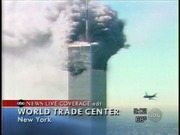 Understanding 9/11
- Usage
- Public Domain


Shotlist
Explains the purposes of the federal meat inspection program and how it helps to assure wholesome, clean meat for the consumer. Shows the steps of inspection from live animals through slaughterhouse and cannery, and explains how it is administered and what it means to the consumer in terms of health and safety.
Ken Smith notes: Triumphant horns blare as we see a typical American family at the dinner table, dad sinking his carving knife into a massive, dripping hunk of unindentified meat. But don't shrug your shoulders and moan, "Oh, it's just another dull how-to-cook-a-roast film." This is the story of the U.S. government meat inspection system!
A narrator-in-a-drum quickly guides us through meat's unsavory early twentieth century history, if only that we might better appreciate the wonderful present, where nearly every slab of beef, pork or mutton we buy is graced with the "little purple circle of wholesomeness...backed by Uncle Sam himself."
There's a decent amount of fun footage in this film: recently slaughtered cattle, dangling by their feet on the slaughterhouse carcass line, their meaty skulls bobbing as they dangle from neck cartilege; meatpacking assembly processes, where gooey organs and slithering sausages abound; and lots of shots of USDA inspectors in white lab coats and snap-brim hats, "highly trained experts" who use their sense of touch -- we see them fondling cattle lymph glands still in the carcasses -- to detect illness. One strange scene shows the inspectors rapidly poking hams with metal probes and then sniffing them as they're yanked free.
What's the result of all this activity? "The places where the meat we eat are processed are models of cleanliness!" boasts the narrator. Why? Because "the health of every citizen is important to the continued greatness of America!"
BLACKS AFRICAN-AMERICANS Danger Lurks safety
<BR>
- External-identifier
-
urn:cid:bafybeicaxmtqe72vmictttg3sj2gikg2zeqnpfhlylrgiaiinl5jt6bdrq
![[Filecoin]](/images/filecoin-small.png "[Filecoin]")
Reviews
Subject: Great Job to Have Kiddies
Very good film that demonstrates all the stuff involved in meat inspecting...probably the only government process that can be considered successful. This is a good film to show to 9th or 10th graders. It shows that even a dodo could become employed in this area. Not too many of those guys are veterinarians.
I bet today these inspections add a dollar and a half a pound to every piece of meat.
Subject: Vegetarians, skip this review!